
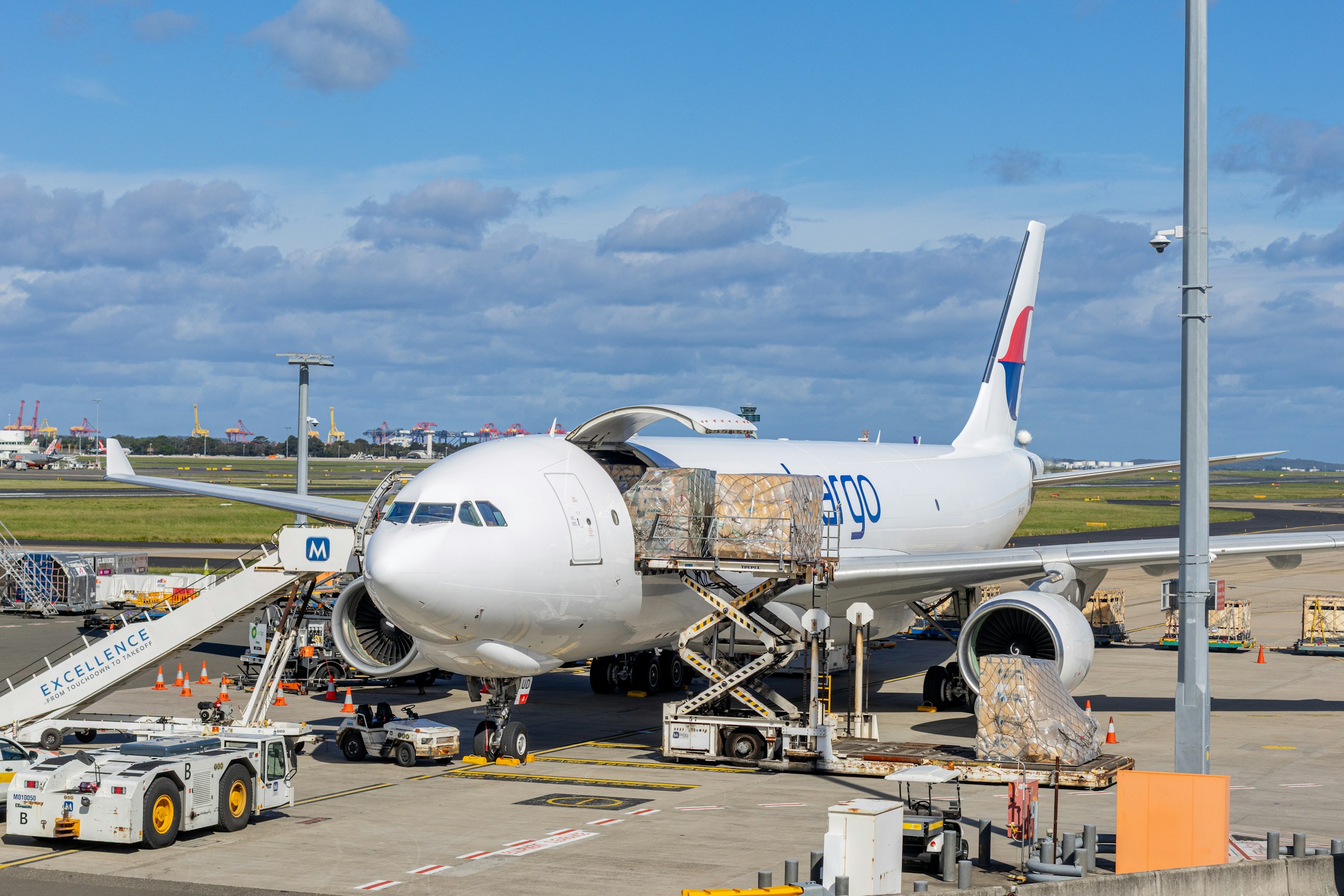
The movement of goods across international trade routes depends on far more than distance between an origin and destination. Every shipment is influenced by transport capacity, trade infrastructure, documentation, market conditions, cargo requirements, and the coordination between multiple businesses and service providers.
Understanding these factors helps businesses plan international movement more effectively and make better decisions around sourcing, supply, and delivery.
Trade Routes and Transport Networks
The route itself plays a major role in how goods move across borders. Access to ports, airports, road networks, rail connections, and inland transport infrastructure can affect transit times and the overall flow of cargo.
Some routes offer direct connections between major markets, while others require multiple transport stages and additional coordination. The most suitable route often depends on the product, shipment volume, destination, timing, and wider commercial priorities.
The Type and Volume of Cargo
Different goods require different approaches to international transport. Cargo characteristics, dimensions, weight, volume, and handling requirements can influence the available transport options and how a shipment is planned.
Bulk commodities, industrial equipment, containerized products, and time-sensitive goods may each require different movement strategies. Understanding the cargo requirements from the beginning helps businesses identify suitable transport pathways and coordinate the right commercial arrangements.
Transport Capacity and Availability
The availability of suitable transport capacity can directly affect how quickly goods move across international markets. Changes in demand, seasonal shipping activity, port activity, and wider commercial conditions can influence available space across ocean, air, and land transport networks.
Businesses with clear shipment forecasts and structured supply planning are better positioned to prepare for changing capacity requirements and coordinate movement around their operational priorities.
Ports, Borders, and Trade Infrastructure
International trade depends heavily on the infrastructure connecting markets. Ports, airports, border facilities, warehouses, roads, and other logistics systems all contribute to the movement of goods from one stage of the journey to the next.
Delays or congestion at any point can affect wider delivery schedules. Strong coordination between the different stages of movement helps businesses maintain greater visibility across their international supply requirements.
Documentation and Commercial Requirements
Goods moving across borders are supported by important shipping and commercial documentation. Product information, cargo details, origin requirements, destination requirements, and other relevant documents can influence how efficiently a shipment progresses.
Clear and accurate information helps keep commercial discussions and cargo movement aligned with the requirements of the relevant trade route and destination market.
Timing and Market Conditions
International movement takes place within constantly changing commercial environments. Seasonal demand, changing market conditions, transport schedules, and unexpected disruptions can all influence how goods move.
Timing therefore becomes an important part of logistics planning. Businesses must consider not only when a shipment needs to arrive, but also the wider conditions that may affect the journey from origin to destination.
Coordination Across the Supply Chain
A single international shipment can involve suppliers, buyers, transport providers, logistics partners, ports, customs authorities, and destination operations. The connection between these different parties plays an important role in keeping the movement organized.
Clear communication and structured coordination help align cargo requirements, transport arrangements, documentation, timing, and delivery priorities throughout the wider commercial journey.